
To be or not to be? A quick guide to supported decision making
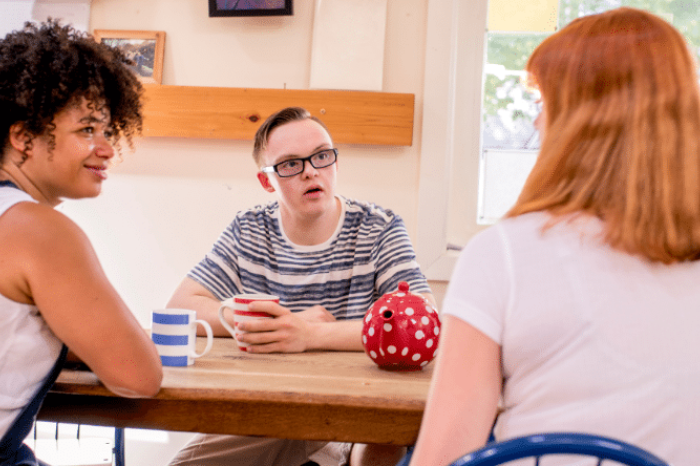
The definition of a decision is thinking before you choose to do something. A decision can be as small as choosing which program to watch on Netflix, or as significant as choosing where you will live. No matter our age, gender or ability, we all have a right to make decisions that affect our life.
What is supported decision making?
Supported decision making is when one person (a supporter) gives another person (a decision maker) the tools and support they need to participate in decision making about their own life. It isn’t the same as having a person make decisions on behalf of another person.
Supported decision making can help the decision maker to build their skills in decision making and develop the confidence to decide more for themselves in the future.
Who might need support with making decisions?
A person who might need support with making decisions is someone whose ability to make independent decisions is affected. Their ability to make decisions could be affected by:
- brain injury
- disability
- mental health conditions
- neurological conditions
- stroke
Sometimes people with disability haven’t had the chance to make their own decisions or to gain experience in decision making. Supported decision making is a way of providing a person with disability the opportunity to learn more about decision making and to exercise choice and control in their lives.
Who can be a support person?
Anyone can be a support person if they have been chosen by the decision maker. A support person could be a trusted family member, friend, service provider or advocate.
A decision maker can have one or more supporters - and sometimes, a team of supporters - to assist them with decision making.
A good supporter, or team of supporters, will have respect for the decision maker, value that person’s independence and dignity, and know that person’s goals, values and preferences.
How does supported decision making work?
Supported decision making begins with the decision maker, their chosen supporter/s and a decision. The supporter/s will support the decision maker to:
- find information
- identify options
- weigh up options
- arrive at a decision
- communicate a decision
- document a decision
Helpful resources
There are many supported decision making resources available for decision makers and supporters. Here are some free, helpful ones we have found:
Recent posts
18 February 2026
28 January 2026
26 January 2026
29 September 2025
You may also like...
 Your options if your NDIS access request is rejectedWhat happens if your NDIS access decision doesn’t go your way? We explore next steps and options.
 The true cost of caringInformal carers have an enormous and positive impact on the nation. But at what cost?
 Psychosocial disability explainedThe term ‘psychosocial disability’ can be misunderstood or confusing to those who’ve never heard of it. So, what does it mean?
 Consent and the NDISIf you’re a participant in the NDIS, before anyone can see information about you or make decisions on your behalf, they need your consent.